

Mold Removal Cost in Red Bank, NJ
Mold removal cost in Red Bank depends on the scope of contamination your property has already sustained—a reality shaped by the borough's proximity to the Navesink River and the persistent humidity that characterizes much of the year, creating conditions where basements and crawl spaces become breeding grounds for indoor mold growth. The total cost reflects how much square footage requires remediation, which materials are affected (drywall, insulation, carpet, HVAC components), whether containment and air scrubbing equipment must be deployed during work, and whether post-remediation clearance testing or structural rebuild is necessary once the mold itself is removed. The sooner you arrange an inspection, the sooner remediation can begin—and the smaller the affected area typically remains, which directly influences the final scope and cost of the work.
Understanding Mold Removal Cost in Red Bank, NJ
Property owners in Red Bank are concerned about mold removal cost because understanding the scope of work—and what drives it—helps them make informed decisions before picking up the phone. The borough's proximity to the Navesink River and the region's consistently humid climate create conditions where moisture accumulates indoors year-round, particularly in basements and crawl spaces common to many of Red Bank's older homes. When mold takes hold, the cost to remove it depends entirely on how much of the structure is affected, which materials are involved, and how quickly the problem is addressed. Homeowners and property managers want to know what factors will shape that final cost before committing to remediation.
Tipton Mold Remediation connects Red Bank property owners with independent local mold inspection and remediation providers who inspect the affected area first and explain the scope of work before any cost is finalized. This approach lets you understand what drives mold removal cost in your specific situation—whether containment and air scrubbing equipment will be necessary, how many square feet of materials like drywall, insulation, or carpet require removal, whether structural rebuild is needed after mold elimination, and whether post-remediation clearance testing is recommended. By addressing mold quickly, you often keep the scope of work smaller, which directly affects the resources and time the independent provider must invest. A local inspection is the first step toward a clear picture of your mold removal cost.
Understanding Mold Removal Cost in Red Bank
How Affected Area Size Drives Cost
Mold remediation cost rises with the square footage of contaminated space. A small bathroom corner costs far less to remove than mold spreading across multiple rooms or an entire basement. Larger areas require more labor, materials, and containment time.
Materials Involved in the Work
What needs removal versus cleaning changes the scope dramatically. Drywall, insulation, carpet, and HVAC components infested with mold must be removed and disposed of; hard surfaces may be cleaned and salvaged. Structural materials cost more to replace than surface finishes.
Containment and Air Equipment Needs
Larger or complex mold situations often require containment barriers and air scrubbing equipment to prevent spore spread during removal. Smaller, isolated areas may need less equipment. Post-remediation clearance testing, if recommended, adds to the overall scope of work.
Red Bank's Moisture Climate and Older Homes
Red Bank's proximity to the Navesink River and year-round humidity create persistent moisture conditions, especially in basements and crawl spaces common to the area's older housing stock. Elevated ambient moisture accelerates mold growth and can expand affected areas, increasing removal complexity and cost if delayed.
How Your Mold Removal Cost Is Estimated in Red Bank, NJ
Request an On-Site Assessment
Contact a local mold removal provider in Red Bank to schedule an inspection of the affected area. The provider will evaluate the extent of mold growth, identify which materials are involved, and determine what containment and equipment needs are necessary—all factors that directly shape the final cost of mold removal.
Receive a Detailed Removal Estimate
The provider inspects the square footage affected, assesses whether drywall, carpet, insulation, or HVAC components require removal, and determines if containment, air scrubbing, or post-remediation clearance testing is needed. This scope of work—informed by how quickly the mold was caught and the materials involved—forms the basis of your mold removal cost estimate.
Review and Approve Before Work Begins
You receive a written estimate detailing what will be removed, which equipment will be used during remediation, and whether structural rebuild or additional work is required after mold removal is complete. Review this scope and cost breakdown with the provider before authorizing any work.
Wondering about Mold Removal Cost in Red Bank? Get an on-site estimate from a local provider.
Call Now — (732) 301-9822What Drives Mold Removal Cost in Red Bank
Mold removal cost in Red Bank depends primarily on how much of your property is affected and what materials the mold has colonized. A small area of surface mold on drywall costs far less to remove than mold that has penetrated insulation, framing, or HVAC ductwork—each of which must be carefully extracted and disposed of. The scope expands further if contaminated materials like carpet, subflooring, or ceiling tiles need replacement, or if structural damage requires rebuild work after the mold itself is gone. Humidity levels in this region remain elevated throughout much of the year, and older homes with basements or crawl spaces face particular risk of dampness that fuels mold growth. The longer mold goes unaddressed, the more it spreads into hidden cavities and building materials, which directly increases the work required and therefore the cost of removal.
The independent local providers this service connects you to will assess containment needs—whether the affected area requires plastic barriers and negative air pressure to prevent spore spread during removal—and whether post-remediation clearance testing is necessary to confirm the space is safe. Acting quickly when you notice mold usually keeps the affected area smaller and the remediation scope more limited. The provider you speak with will inspect your specific situation and explain which materials are involved, what containment or air-handling equipment the work requires, and whether structural repair follows remediation, so you understand what drives your individual removal cost before work begins.
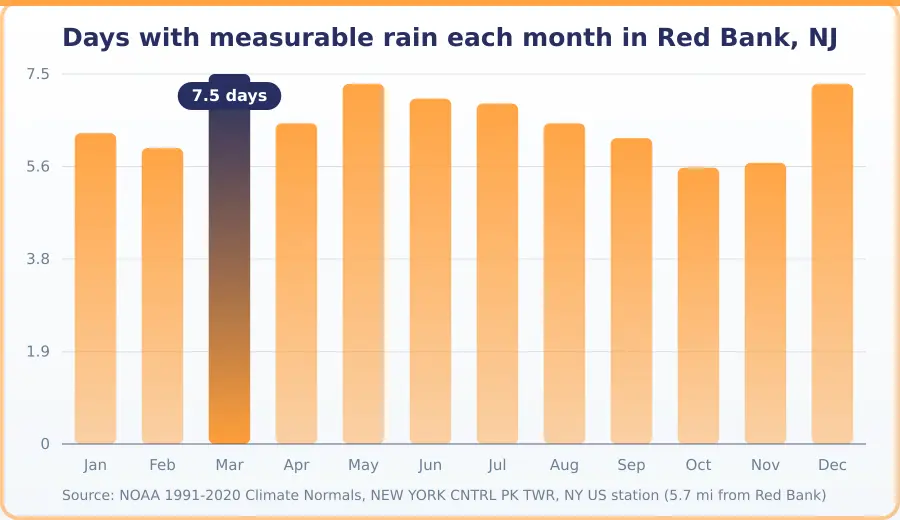
| Period | Days with measurable rain by month (days) |
|---|---|
| Jan | 6.3 |
| Feb | 6 |
| Mar | 7.5 |
| Apr | 6.5 |
| May | 7.3 |
| Jun | 7 |
| Jul | 6.9 |
| Aug | 6.5 |
| Sep | 6.2 |
| Oct | 5.6 |
| Nov | 5.7 |
| Dec | 7.3 |
Source: NOAA 1991-2020 Climate Normals, NEW YORK CNTRL PK TWR, NY US station (5.7 mi from Red Bank). Retrieved October 5, 2026.
How Red Bank Seasons Affect Mold Removal Cost
Spring: Thaw and Moisture
Spring snowmelt and increased rainfall raise groundwater levels across Red Bank's region, heightening the risk of water entry into basements and crawl spaces. Rising moisture can expand the affected area beyond what winter kept dormant, potentially increasing the scope of containment, removal of saturated materials, and post-remediation drying work.
Summer: Heat and Humidity
Summer warmth amplifies moisture retention indoors, especially in older homes with basements prone to dampness. Elevated humidity year-round in Red Bank creates conditions where mold spreads across larger surface areas—drywall, insulation, and HVAC components—requiring more extensive removal and potentially more equipment to restore safe air quality.
Fall: Moisture Trapping
As temperatures drop and homes are sealed for winter, trapped indoor moisture can accelerate mold colonization in hidden spaces. Fall inspections often reveal growth that expanded through summer; larger affected areas mean more materials to remove, more containment measures, and potentially structural assessment work before remediation begins.
Winter: Condensation and Containment
Cold outdoor temperatures and indoor heating create condensation on windows, walls, and poorly insulated areas. Winter conditions can complicate removal work—cold slows drying times, may require additional heating or air-scrubbing equipment, and difficult weather can affect access and the schedule for completing post-remediation clearance testing.
Related Services
Mold Removal Cost FAQs — Red Bank, NJ
Mold removal cost depends primarily on the size and location of the affected area, the materials involved (drywall, insulation, wood framing), containment requirements, and whether structural rebuild work is needed afterward. A local provider's on-site inspection determines the full scope and cost for your specific situation.
Delaying mold removal often increases cost because mold spreads over time, affecting larger areas and potentially damaging more building materials. The longer moisture persists—especially in Red Bank's consistently humid environment—the more extensive the remediation work becomes, raising the final bill.
An independent local provider visits your property to inspect the mold, assess moisture sources, measure affected areas, and identify materials involved. Based on this on-site evaluation, they develop a detailed scope of work and provide you with a cost estimate specific to your home's needs.
Insurance coverage for mold removal varies widely by policy and circumstance. Your insurance agent can clarify whether your specific situation qualifies. A local provider can document the damage and work scope, which helps when you discuss coverage options with your insurer.
Tipton Mold Remediation connects you with independent local providers promptly. Once you reach out, a provider typically arranges an on-site inspection within a short timeframe so you can receive a detailed cost estimate and move forward with your remediation plan.
Red Bank's year-round moisture levels—from proximity to the Navesink River and seasonal rainfall—mean basements and crawl spaces in older homes are especially prone to dampness and mold growth. Addressing moisture sources and preventing recurrence may be part of the remediation cost, adding to the overall scope.
Homeowner Safety Toolkit
Verify Your Red Bank, NJ Mold Remediation Company
Before you hire anyone, use these independent national resources to confirm credentials, standards, and track record.
ACAC
An independently accredited certifying body for mold inspectors and consultants — one of the few in this field whose standards are verified by an outside accreditation board, not just self-declared.
Find a Certified InspectorEPA
The federal government's own guidance on identifying, cleaning up, and preventing mold growth in a home.
Mold Prevention GuideBBB
Look up any mold remediation company's complaint history, customer reviews, and accreditation status — a free, independent check before you hire.
Check StandingQuestions about Mold Removal Cost in Red Bank, NJ? Call (732) 301-9822 to arrange a local on-site estimate.
Call Now — (732) 301-9822Areas We Serve in Red Bank, New Jersey
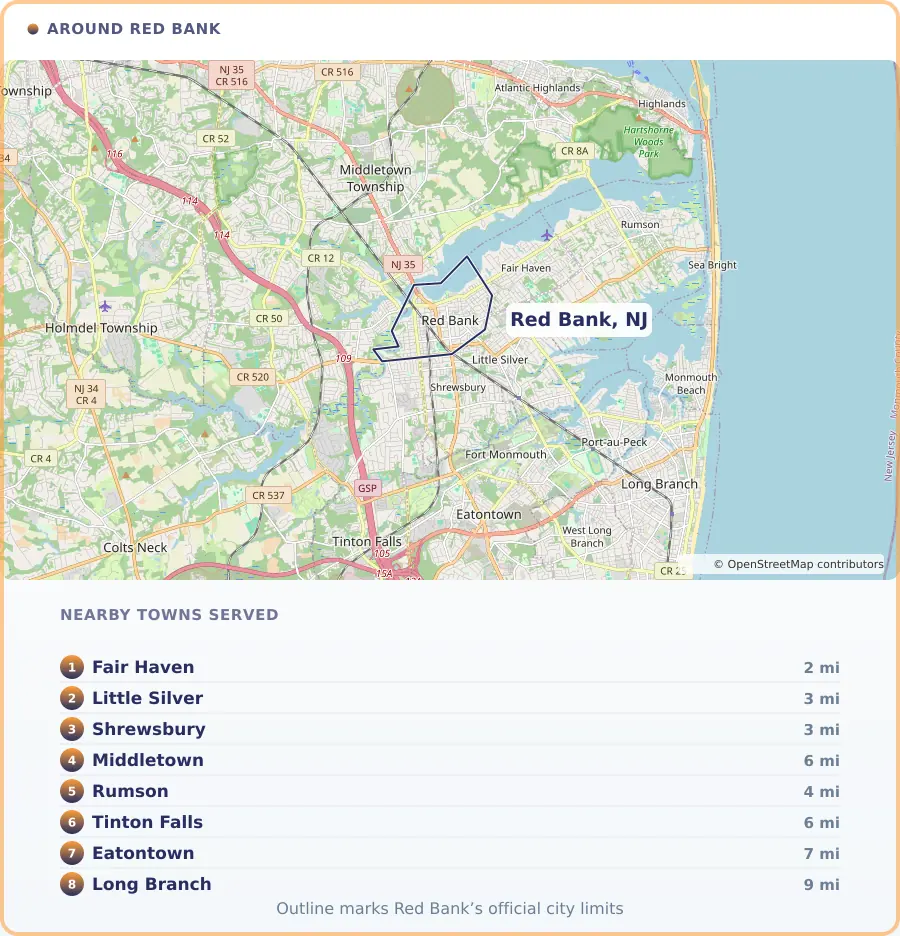
Coverage centres on Red Bank, NJ and reaches 8 surrounding communities. Response time is what matters most in the hours after a problem is found, so knowing the ground is part of the job.
Red Bank, NJ Information
Tucked along the Navesink River in Monmouth County, Red Bank, NJ packs a lot of personality into a small footprint. With roughly 12,248 residents, it carries itself like a much bigger town, thanks to a downtown built around Broad Street and Monmouth Street, where restaurants, boutiques, and live music spill out onto the sidewalks most evenings of the week.
The local economy leans on healthcare, arts, and steady professional services, with Riverview Medical Center and the Count Basie Center for the Arts serving as anchors that pull people in from across the region. Schools, real estate offices, and community institutions round things out, giving Red Bank the feel of a place that works hard and still knows how to enjoy a Friday night out.
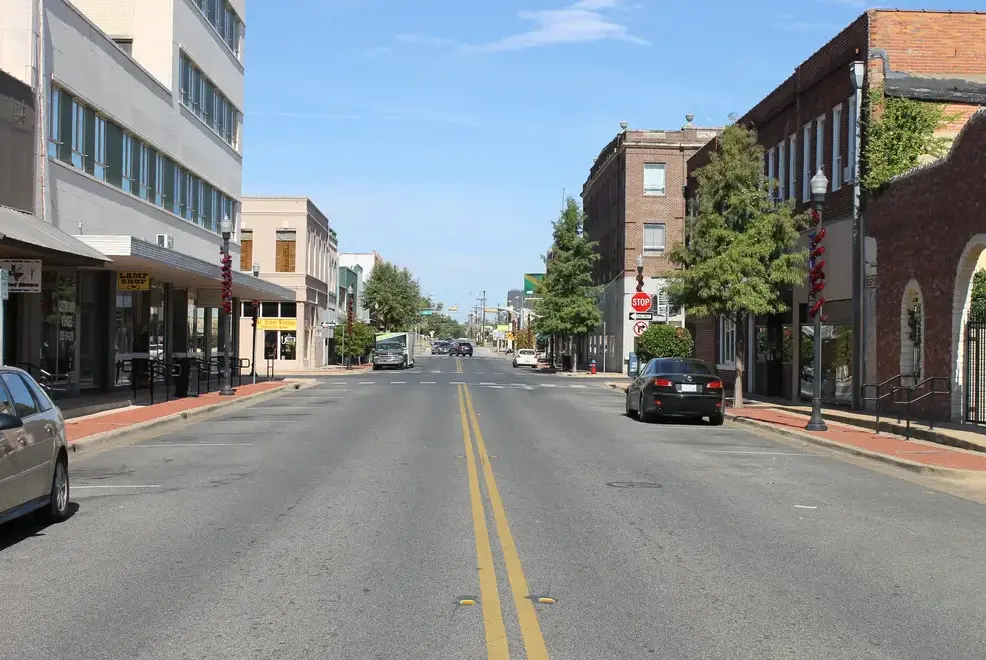
Photo: Billy Hathorn, CC BY-SA 3.0