

Commercial Mold Remediation in Red Bank, NJ
Red Bank's proximity to the Navesink River and year-round humid conditions create persistent moisture levels that accelerate mold growth in commercial spaces, particularly in older buildings where basements and crawl spaces tend to stay damp. Commercial Mold Remediation in Red Bank, NJ addresses this challenge through local providers who contain affected areas, remove contaminated materials safely, and restore indoor air quality to protect occupants and building integrity. Tipton Mold Remediation connects Red Bank property owners with independent local remediation specialists who understand how the region's moisture patterns drive mold development and can respond quickly to mitigate the problem.
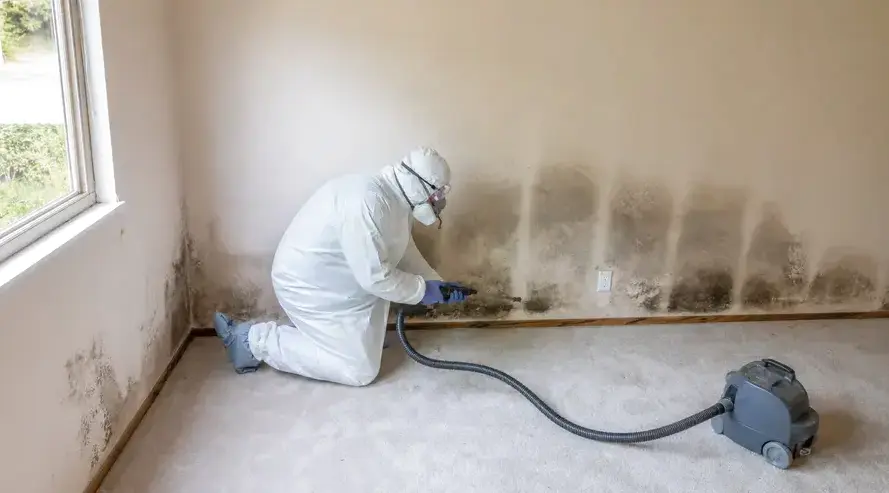
What gets cleaned in a commercial building, and what comes out
Two questions decide the scope of any mold job: what is it growing on, and how much of it is there. The EPA publishes an answer for both, and this is that guidance applied to the materials you would expect in a commercial building.
| Material | Under 10 sq ftabout a cabinet door, or one ceiling tile | 10 to 100 sq ftroughly one wall, or a small bathroom | Over 100 sq ftmore than one room's worth of surface |
|---|---|---|---|
| Carpet and backingbroadloom or tile carpet and its backingEPA, Table 2 | Wet vacuumHEPA vacuum | Wet vacuumHEPA vacuumRemove and discard | Wet vacuumHEPA vacuumRemove and discard |
| Wallboardpartition walls and demountable panelsEPA, Table 2 | HEPA vacuum | HEPA vacuumRemove and discard | HEPA vacuumRemove and discard |
| Non-porous, hard surfacessealed floors, metal fixtures and glazingEPA, Table 2 | Wet vacuumDamp wipeHEPA vacuum | Wet vacuumDamp wipeHEPA vacuum | Wet vacuumDamp wipeHEPA vacuum |
| Concrete or cinder blockslabs, cores and block wallsEPA, Table 2 | Wet vacuumHEPA vacuum | Wet vacuumHEPA vacuum | Wet vacuumHEPA vacuum |
| Books and papersstored files, stock and cardboardEPA, Table 2 | HEPA vacuum | HEPA vacuum | HEPA vacuum |
What those methods mean, in EPA's words
- Wet vacuum
Wet vacuums are vacuum cleaners designed to collect water. They can be used to remove water from floors, carpets and hard surfaces where water has accumulated.
EPA, cleanup methods- Damp wipe
Mold can generally be removed from nonporous (hard) surfaces by wiping or scrubbing with water, or water and detergent.
EPA, cleanup methods- HEPA vacuum
HEPA (High-Efficiency Particulate Air) vacuums are recommended for final cleanup of remediation areas after materials have been thoroughly dried and contaminated materials removed.
EPA, cleanup methods- Remove and discard
Building materials and furnishings that are contaminated with mold growth and are not salvageable should be double-bagged using 6-mil polyethylene sheeting.
EPA, cleanup methods
Removed and replaced, whatever the area
- Ceiling tiles — drop-ceiling tiles and grid infill.
Discard and replace.
EPA, Table 1This is the action EPA's water-damage table gives for ceiling tiles. It is the one material here with no size threshold to weigh.
These guidelines are for damage caused by clean water. If you know or suspect that the water source is contaminated with sewage, or chemical or biological pollutants, then Personal Protective Equipment and containment are required by OSHA.
EPA, Table 1Porous materials that are wet and have mold growing on them may have to be discarded.
EPA, cleanup methodsMold can grow on wood, drywall, carpet and furniture if they remain wet for more than 24 hours.
EPA, flood cleanup
Commercial interiors add two materials that rarely survive — drop-ceiling tile and tile carpet — and both are usually cheaper to replace than to clean around. Sealed floors, glazing and structural concrete stay. Stock, files and cardboard are judged as paper, which EPA treats as a HEPA-vacuum item at every size rather than a removal.
In Red Bank, 57.4% of the housing stock went up before 1960 — an era of plaster, unlined cavities and supply lines that were never meant to be inspected.Source: US Census Bureau, American Community Survey 2023 5-year estimates, table B25034 — Red Bank borough (6,184 housing units)
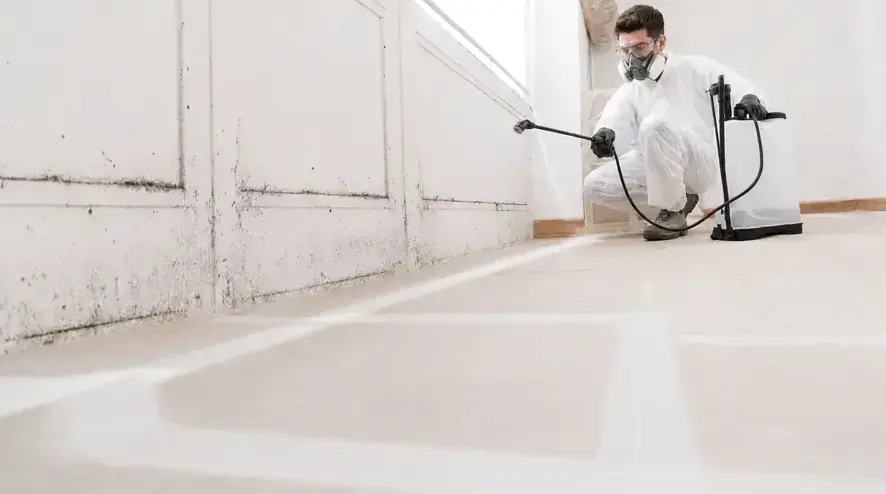
Commercial Mold Remediation Red Bank Property Owners Trust
Red Bank's proximity to the Navesink River and year-round humid conditions create an environment where moisture accumulates steadily indoors, not just after isolated weather events. This persistent dampness makes commercial properties—particularly older buildings with basements or crawl spaces—especially vulnerable to mold colonization. When moisture levels remain elevated throughout the seasons, mold can establish itself in foundation areas, wall cavities, and HVAC systems, compromising both the structural integrity of the building and the air quality that tenants and customers depend on. For business owners in Red Bank, addressing mold growth quickly is essential to protecting operations, maintaining a safe environment, and avoiding the kind of indoor air quality problems that can disrupt a workplace.
Tipton Mold Remediation connects Red Bank commercial property owners with independent local providers who understand the specific moisture challenges that drive mold growth in business settings. These providers approach commercial mold remediation with thorough inspection and containment practices, working to identify not just visible mold but the underlying moisture sources that sustain it. Rather than offering a quick surface fix, they focus on complete removal and moisture control to reduce the likelihood of recurrence, then follow up to ensure the indoor environment remains stable. When you partner with Tipton, you're gaining access to local professionals ready to restore your commercial property and help you move forward with confidence.
Why Red Bank Businesses Choose Tipton Mold Remediation
Fast Local Commercial Mold Remediation
Tipton connects Red Bank property owners with nearby independent providers who respond quickly to commercial mold remediation needs. Local availability means faster assessment and containment of affected areas in your building.
Thorough Commercial Mold Remediation Process
Commercial mold remediation through Tipton's network includes careful inspection, source identification, and complete removal. Independent providers work to restore indoor air quality and prevent recurrence in your commercial space.
Clear Communication Throughout Remediation
Tipton's connected providers explain each step of commercial mold remediation in plain language. You'll understand what's happening, why it matters, and what to expect as work progresses.
Year-Round Moisture Control Matters
Red Bank's consistently elevated humidity creates ongoing conditions where commercial mold can develop inside buildings. Professional commercial mold remediation addresses both current growth and the moisture sources driving it.
How Our Commercial Mold Remediation Process Works
Schedule Your Commercial Mold Assessment
Contact Tipton Mold Remediation to arrange an inspection of your Red Bank commercial property. A local mold inspection provider will assess your building for active mold growth, moisture sources, and conditions that support colonization.
Receive Detailed Commercial Mold Findings
The inspector documents mold locations, moisture intrusion points, and affected materials, then explains results and outlines a Commercial Mold Remediation plan. Red Bank's humid conditions and older commercial structures often harbor moisture in areas requiring targeted containment and removal protocols.
Complete Commercial Mold Remediation Work
An independent local remediation provider executes the Commercial Mold Remediation plan, including safe removal, moisture control, and air-quality verification. Follow-up monitoring ensures your Red Bank commercial space remains clear of active mold and protected from future colonization.
Dealing with Commercial Mold Remediation in Red Bank? Get fast, professional help.
Call Now — (732) 301-9822Commercial Mold Remediation Serving Red Bank
Red Bank's location near the Navesink River creates persistently humid conditions that extend well beyond seasonal weather events, keeping indoor moisture levels elevated throughout much of the year. For commercial property owners, this baseline humidity significantly accelerates mold colonization in spaces where ventilation, drainage, or climate control fall short. Older commercial buildings—warehouses, offices, and retail properties with aging foundations—face particular risk, as their basements and below-grade areas are prone to chronic dampness that becomes a reliable breeding ground for active mold growth.
Commercial Mold Remediation in Red Bank requires understanding how the borough's moisture profile affects business interruption, indoor air quality, and structural integrity. Property managers and business owners who notice discoloration, musty odors, or visible growth in storage areas, mechanical rooms, or finished spaces should connect with local remediation providers quickly. Tipton Mold Remediation links you with independent inspection and remediation specialists in the Red Bank area who understand these moisture dynamics and can design containment and removal plans suited to commercial buildings and their operational demands.
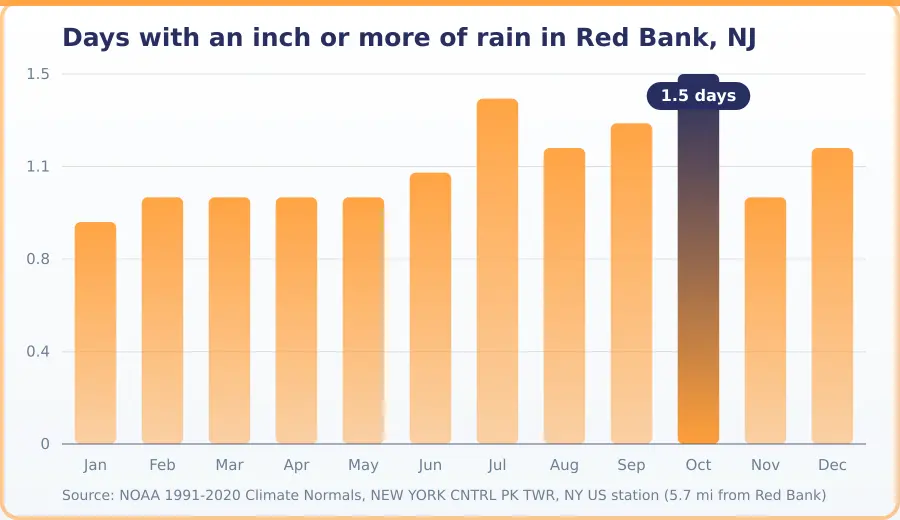
| Period | Days with an inch or more of rain (days) |
|---|---|
| Jan | 0.9 |
| Feb | 1 |
| Mar | 1 |
| Apr | 1 |
| May | 1 |
| Jun | 1.1 |
| Jul | 1.4 |
| Aug | 1.2 |
| Sep | 1.3 |
| Oct | 1.5 |
| Nov | 1 |
| Dec | 1.2 |
Source: NOAA 1991-2020 Climate Normals, NEW YORK CNTRL PK TWR, NY US station (5.7 mi from Red Bank). Retrieved October 5, 2026.
Year-Round Commercial Mold Remediation in Red Bank
Spring: Thaw and Moisture Surge
Spring snowmelt and increased rainfall elevate groundwater levels, pushing moisture into commercial basements and foundation areas. Early-season mold activity accelerates as warmth and dampness combine. Tipton connects Red Bank property owners with local remediation providers who assess water intrusion points and implement containment before colonies expand.
Summer: Persistent Humidity Challenge
Warm, humid summers sustain elevated indoor moisture in commercial spaces, especially those near the Navesink River where ambient humidity remains high year-round. Mold thrives in this stable, damp environment across older building stock with basements or crawl spaces prone to dampness. Tipton's referral network links businesses to independent providers experienced in moisture mapping and targeted remediation for persistently humid interiors.
Fall: Condensation and Closure Risk
Cooling temperatures and seasonal humidity shifts trigger condensation on commercial surfaces and within wall cavities. Mold establishes in areas sealed against weather, trapping moisture inside. Tipton helps property owners connect with local specialists who identify hidden condensation zones and design ventilation or remediation strategies before winter locks moisture in place.
Winter: Cold-Driven Vapor Pressure
Cold exterior walls create vapor-pressure differentials that drive interior moisture into structural cavities and corners. Commercial mold growth continues slowly in unheated or poorly insulated spaces, emerging visibly when spring arrives. Tipton's local provider network offers winter inspections and proactive remediation to prevent spring discovery of established colonies.
Related Services
Commercial Mold Remediation FAQs — Red Bank, NJ
Commercial mold remediation includes inspection to locate affected areas, containment to prevent spore spread, removal of contaminated materials, thorough cleaning and treatment of surfaces, and verification that moisture sources are addressed. The independent local providers Tipton connects you with will assess your property's specific conditions and outline the full scope before work begins.
Tipton Mold Remediation connects Red Bank property owners with independent local providers who typically respond quickly to schedule inspections and begin remediation. Contact Tipton to be matched with an available provider in your area—response times depend on current demand and the provider's schedule, not a centralized timeline.
Pricing depends on the extent of mold growth, materials affected, square footage involved, moisture source complexity, and required containment measures. Each independent provider Tipton connects you with sets their own rates based on your property's unique needs. Request detailed estimates from local providers to compare and understand what's included.
Before remediation begins, secure valuables and sensitive equipment away from work areas, ensure staff and occupants are notified of the timeline, and provide access to affected zones. The independent provider will give you specific instructions—such as ventilation protocols or temporary relocation needs—tailored to your commercial layout and business operations.
After remediation, control moisture through proper ventilation, regular HVAC maintenance, prompt repair of leaks, and monitoring humidity levels. Since moisture-prone areas are common in older Red Bank buildings, the provider may recommend ongoing inspections. Consistent property monitoring and maintenance are your best defense against recurring mold growth.
Red Bank's location and consistently elevated moisture levels year-round create conditions where indoor mold thrives in commercial buildings—particularly in basements and below-grade spaces. This persistent dampness means mold can develop steadily, not just after acute water events. Early remediation and ongoing moisture control are essential to protect indoor air quality and building integrity.
Homeowner Safety Toolkit
Verify Your Red Bank, NJ Mold Remediation Company
Before you hire anyone, use these independent national resources to confirm credentials, standards, and track record.
ACAC
An independently accredited certifying body for mold inspectors and consultants — one of the few in this field whose standards are verified by an outside accreditation board, not just self-declared.
Find a Certified InspectorEPA
The federal government's own guidance on identifying, cleaning up, and preventing mold growth in a home.
Mold Prevention GuideBBB
Look up any mold remediation company's complaint history, customer reviews, and accreditation status — a free, independent check before you hire.
Check StandingDealing with Commercial Mold Remediation in Red Bank, NJ? Call (732) 301-9822 for 24/7 help.
Call Now — (732) 301-9822Areas We Serve in Red Bank, New Jersey
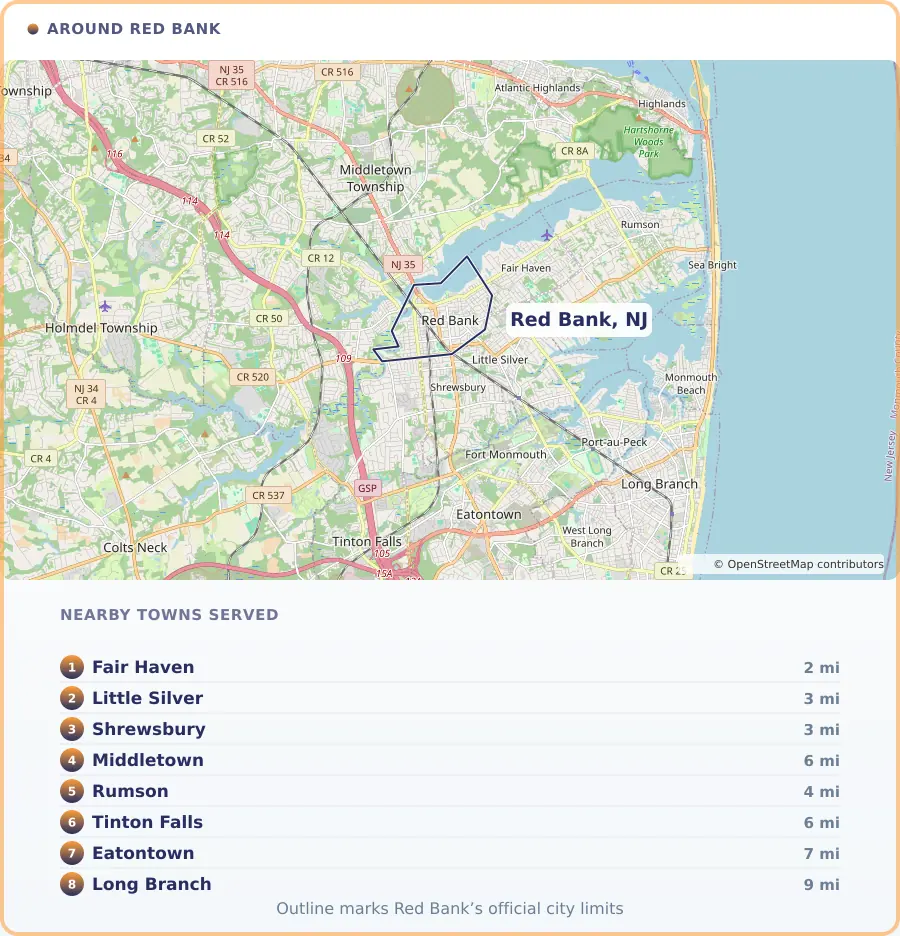
Coverage centres on Red Bank, NJ and reaches 8 surrounding communities. Response time is what matters most in the hours after a problem is found, so knowing the ground is part of the job.
Red Bank, NJ Information
Tucked along the Navesink River in Monmouth County, Red Bank, NJ packs a lot of personality into a small footprint. With roughly 12,248 residents, it carries itself like a much bigger town, thanks to a downtown built around Broad Street and Monmouth Street, where restaurants, boutiques, and live music spill out onto the sidewalks most evenings of the week.
The local economy leans on healthcare, arts, and steady professional services, with Riverview Medical Center and the Count Basie Center for the Arts serving as anchors that pull people in from across the region. Schools, real estate offices, and community institutions round things out, giving Red Bank the feel of a place that works hard and still knows how to enjoy a Friday night out.
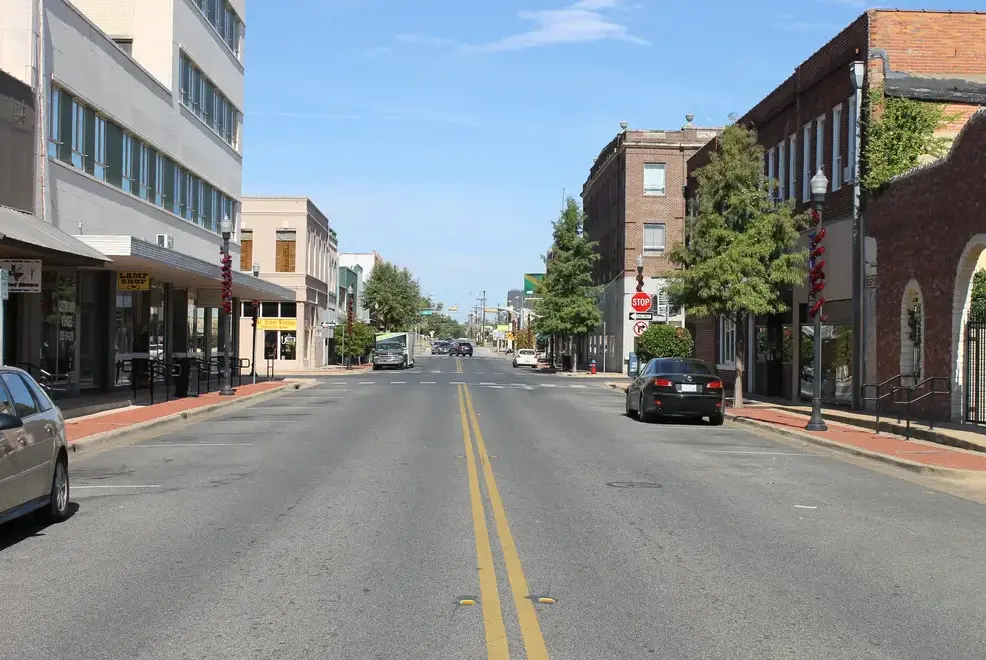
Photo: Billy Hathorn, CC BY-SA 3.0