

Kitchen Mold Removal in Red Bank, NJ
Red Bank's proximity to the Navesink River and year-round elevated humidity create persistent moisture conditions that make kitchens particularly vulnerable to mold growth, especially in the borough's older homes where dampness penetrates from below-grade spaces. Kitchen Mold Removal in Red Bank, NJ requires prompt attention to protect both the integrity of cabinets, countertops, and walls and the indoor air quality your household depends on daily. Tipton Mold Remediation connects Red Bank property owners with local mold removal providers who can identify and safely remove kitchen mold before it spreads further.
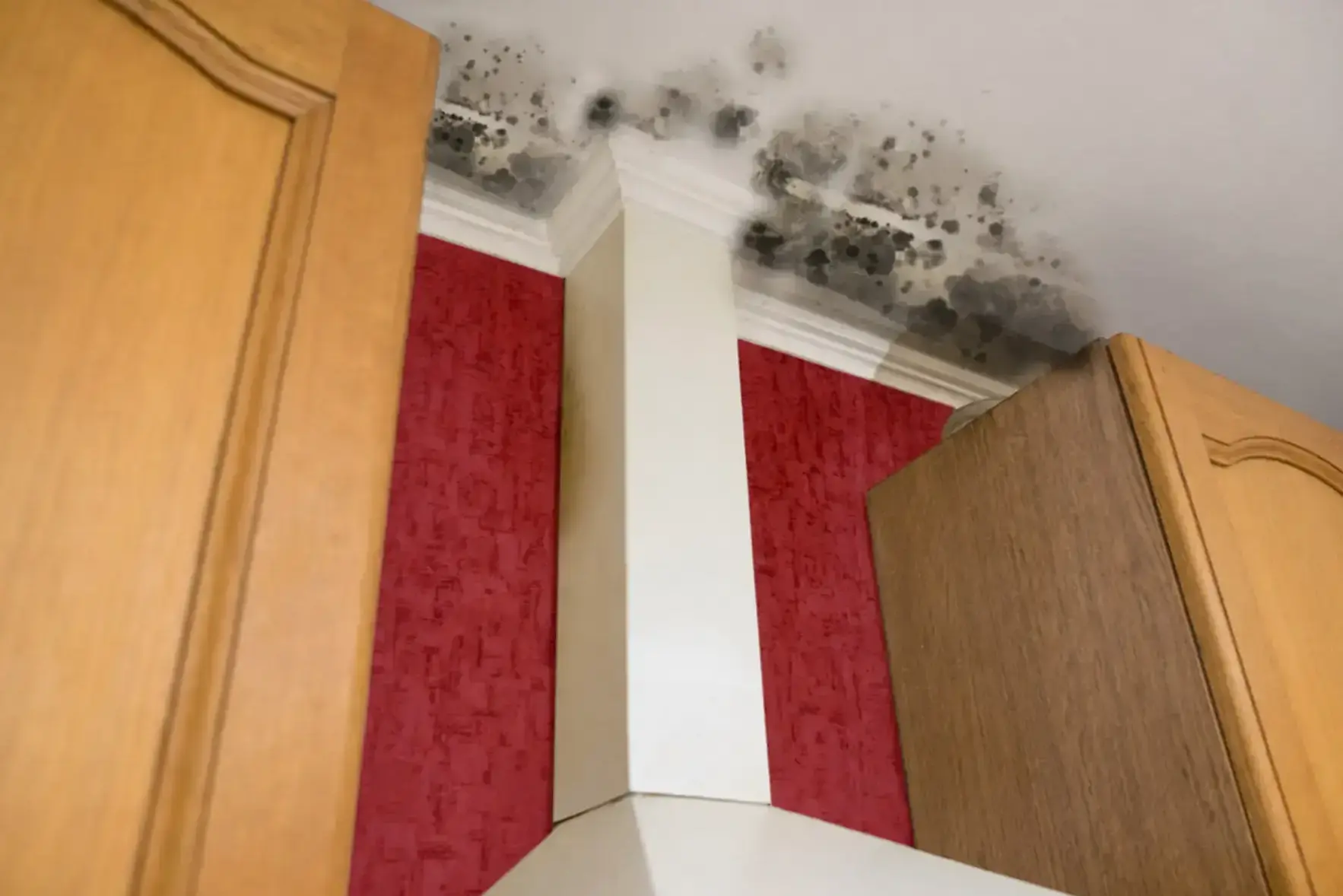
What gets cleaned in a kitchen, and what comes out
Two questions decide the scope of any mold job: what is it growing on, and how much of it is there. The EPA publishes an answer for both, and this is that guidance applied to the materials you would expect in a kitchen.
| Material | Under 10 sq ftabout a cabinet door, or one ceiling tile | 10 to 100 sq ftroughly one wall, or a small bathroom | Over 100 sq ftmore than one room's worth of surface |
|---|---|---|---|
| Non-porous, hard surfacestile, stone or laminate counters, splashbacks and sinksEPA, Table 2 | Wet vacuumDamp wipeHEPA vacuum | Wet vacuumDamp wipeHEPA vacuum | Wet vacuumDamp wipeHEPA vacuum |
| Wood surfacescabinet boxes, toe kicks and shelvingEPA, Table 2 | Wet vacuumDamp wipeHEPA vacuum | Wet vacuumDamp wipeHEPA vacuum | Wet vacuumDamp wipeHEPA vacuumRemove and discard |
| Wallboardthe wall behind cabinets, the sink and the dishwasherEPA, Table 2 | HEPA vacuum | HEPA vacuumRemove and discard | HEPA vacuumRemove and discard |
| Hard surface, porous flooringvinyl or tile flooring and the subfloor beneath itEPA, Table 2 | Wet vacuumDamp wipeHEPA vacuum | Wet vacuumDamp wipeHEPA vacuum | Wet vacuumDamp wipeHEPA vacuumRemove and discard |
What those methods mean, in EPA's words
- Wet vacuum
Wet vacuums are vacuum cleaners designed to collect water. They can be used to remove water from floors, carpets and hard surfaces where water has accumulated.
EPA, cleanup methods- Damp wipe
Mold can generally be removed from nonporous (hard) surfaces by wiping or scrubbing with water, or water and detergent.
EPA, cleanup methods- HEPA vacuum
HEPA (High-Efficiency Particulate Air) vacuums are recommended for final cleanup of remediation areas after materials have been thoroughly dried and contaminated materials removed.
EPA, cleanup methods- Remove and discard
Building materials and furnishings that are contaminated with mold growth and are not salvageable should be double-bagged using 6-mil polyethylene sheeting.
EPA, cleanup methods
These guidelines are for damage caused by clean water. If you know or suspect that the water source is contaminated with sewage, or chemical or biological pollutants, then Personal Protective Equipment and containment are required by OSHA.
EPA, Table 1Porous materials that are wet and have mold growing on them may have to be discarded.
EPA, cleanup methodsMold can grow on wood, drywall, carpet and furniture if they remain wet for more than 24 hours.
EPA, flood cleanup
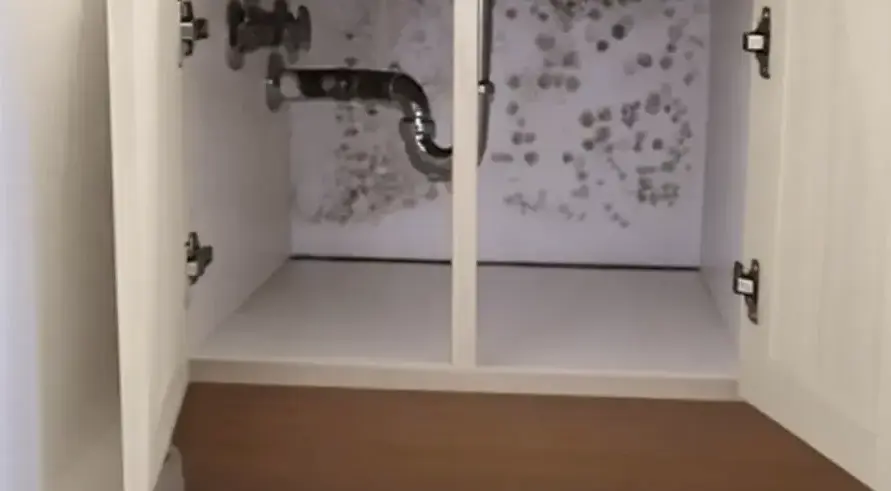
Under-sink and behind-appliance leaks are slow, so the cabinet floor and the wall behind are usually worse than anything visible at the front. Cabinet boxes are the awkward case: the carcase is wood, so EPA's wood guidance applies, but particleboard and MDF behave more like wallboard once they have swollen. Counters, splashbacks and sinks clean up and stay.
In Red Bank, 57.4% of the housing stock went up before 1960 — an era of plaster, unlined cavities and supply lines that were never meant to be inspected.Source: US Census Bureau, American Community Survey 2023 5-year estimates, table B25034 — Red Bank borough (6,184 housing units)
Kitchen Mold Removal Solutions for Red Bank, NJ Homes
Red Bank's proximity to the Navesink River and year-round humid conditions create an environment where moisture levels remain consistently elevated indoors, particularly in kitchens where water use is frequent and ventilation often inadequate. Older homes throughout the borough frequently develop dampness in basements and crawl spaces—common moisture entry points—and that ambient dampness can migrate upward into living spaces, kitchens included. When kitchen mold takes hold, it thrives in the warm, moist environment around sinks, under cabinets, along walls, and within ventilation systems. Beyond the visible discoloration and odor, kitchen mold affects indoor air quality and warrants prompt, thorough removal to protect both the home's structural integrity and the health of its occupants.
Tipton Mold Remediation connects Red Bank property owners with independent local providers who specialize in kitchen mold removal. These professionals begin with a detailed inspection to identify all affected areas—including hidden moisture sources and mold growth behind walls or within cabinetry—then employ containment and removal methods suited to the specific conditions of your kitchen. The process includes source moisture control to prevent mold from returning and clear communication throughout, so you understand what was found and how it will be addressed. If kitchen mold is a concern in your Red Bank home, reaching out for a local inspection is the first step toward a healthier indoor environment.
Why Red Bank Property Owners Choose Tipton Mold Remediation
Fast Kitchen Mold Removal Response
Tipton connects you with local providers who prioritize rapid assessment and containment of kitchen mold growth. Quick action prevents spread to adjacent spaces and reduces indoor air quality concerns for your household.
Thorough Kitchen Mold Removal Treatment
Independent providers in the Tipton network address visible mold and moisture sources driving growth. Comprehensive kitchen mold removal includes identification of wet areas, removal of affected materials, and moisture control to reduce recurrence risk.
Clear Communication During Removal
Tipton's local providers explain kitchen mold removal steps, timelines, and safety precautions upfront. Transparent communication helps you understand the scope of work and what to expect throughout the remediation process.
Kitchen Mold Removal for High-Moisture Homes
Red Bank's elevated year-round humidity creates persistent moisture conditions that make kitchens vulnerable to mold. Tipton connects you with local providers experienced in kitchen mold removal for homes where ambient dampness drives fungal growth indoors.
How Our Kitchen Mold Removal Process Works
Schedule Your Kitchen Mold Removal Visit
Contact Tipton Mold Remediation to describe kitchen mold concerns in your Red Bank home. We connect you with a local independent provider who will arrange a time to inspect your kitchen and assess the extent and type of mold present.
Get a Kitchen Mold Removal Assessment
The local provider inspects your kitchen, identifies moisture sources feeding mold growth, and explains findings and removal options. Red Bank's humid climate and older homes prone to dampness create conditions where kitchen mold takes hold; a thorough assessment pinpoints whether the problem is surface-level or rooted in underlying moisture issues.
Complete Kitchen Mold Removal and Prevention
Once you approve the plan, the independent provider removes mold using containment and remediation methods appropriate to your kitchen's layout and the mold's location. Follow-up guidance helps you manage moisture and reduce the likelihood of mold returning to your kitchen.
Dealing with Kitchen Mold Removal in Red Bank? Get fast, professional help.
Call Now — (732) 301-9822Kitchen Mold Removal Across Red Bank, NJ
Red Bank's location near the Navesink River creates persistently humid conditions that extend well beyond seasonal rainfall, keeping indoor moisture levels elevated throughout much of the year. This sustained dampness makes kitchens—with their daily moisture from cooking, dishwashing, and steam—especially vulnerable to mold growth. When a kitchen's ventilation, plumbing, or window seals aren't functioning optimally, moisture accumulates quickly, and mold can establish itself on walls, under sinks, around appliances, and within cabinets before visible signs appear.
Many of Red Bank's older homes feature basements or crawl spaces prone to dampness, and that ground-level moisture often migrates upward through walls and flooring, reaching kitchen areas and creating ideal conditions for mold. Kitchen mold removal in Red Bank requires providers who understand how the borough's ambient moisture patterns interact with typical kitchen layouts and construction. Tipton Mold Remediation connects Red Bank property owners with local inspection and remediation providers who can identify moisture sources specific to your kitchen, contain affected areas safely, and remove mold thoroughly—addressing both visible growth and the underlying dampness that allows it to return.
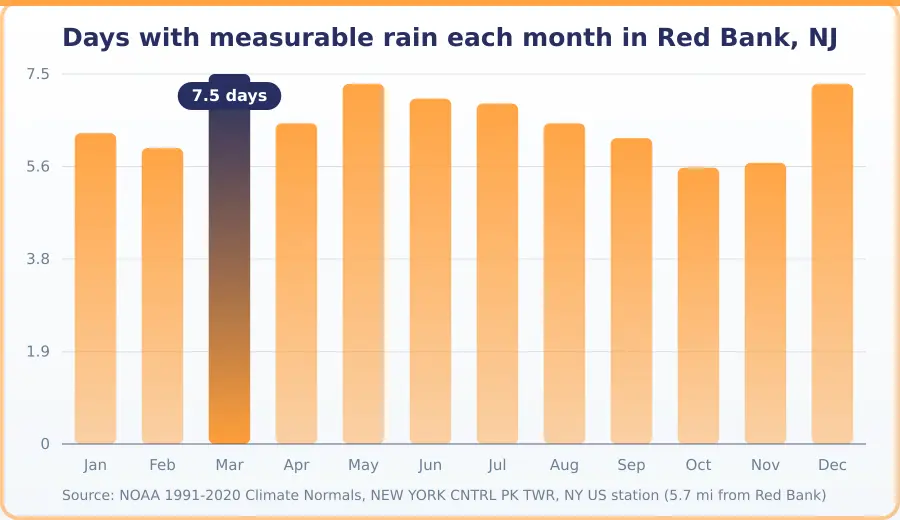
| Period | Days with measurable rain by month (days) |
|---|---|
| Jan | 6.3 |
| Feb | 6 |
| Mar | 7.5 |
| Apr | 6.5 |
| May | 7.3 |
| Jun | 7 |
| Jul | 6.9 |
| Aug | 6.5 |
| Sep | 6.2 |
| Oct | 5.6 |
| Nov | 5.7 |
| Dec | 7.3 |
Source: NOAA 1991-2020 Climate Normals, NEW YORK CNTRL PK TWR, NY US station (5.7 mi from Red Bank). Retrieved October 5, 2026.
Kitchen Mold Removal Across Red Bank's Seasons
Spring: Rising Moisture
Spring thaw and increased rainfall elevate indoor humidity, creating ideal conditions for kitchen mold to develop on walls, ceilings, and around plumbing fixtures. Tipton connects Red Bank property owners with local remediation providers who identify and safely remove active mold growth before it spreads throughout occupied spaces.
Summer: Peak Growth Season
Warm, humid summer air accelerates kitchen mold colonization, particularly around sinks, dishwashers, and ventilation areas where moisture accumulates. Local providers in the Tipton network respond quickly to remove visible mold and address moisture sources to restore healthy indoor air quality in your home.
Fall: Persistent Dampness
Red Bank's proximity to the Navesink River and chronically elevated moisture levels mean kitchens remain vulnerable to mold year-round, with fall dampness in basements and crawl spaces creating conditions that support mold spread into upper living areas. Tipton's local providers offer thorough removal and remediation tailored to Red Bank's persistent humidity challenges.
Winter: Hidden Expansion
Closed windows and reduced ventilation during winter trap moisture in kitchens, allowing mold to expand quietly behind appliances and under cabinets. Tipton connects you with independent local providers who inspect and remove dormant or slow-growing kitchen mold before spring conditions reactivate it.
Related Services
Kitchen Mold Removal FAQs — Red Bank, NJ
Kitchen mold removal addresses visible mold on surfaces, behind cabinets, around sinks, and under countertops. The process typically includes containment to prevent spore spread, removal of affected materials, thorough cleaning, and moisture control to stop regrowth. Local providers connected through Tipton assess the full scope before work begins and help identify the moisture source driving the problem.
Tipton Mold Remediation connects Red Bank property owners with independent local mold removal providers who can often schedule inspections and removal work promptly. Response times vary by provider availability and job complexity, but connecting with a nearby professional is faster than searching independently. Contact Tipton to find a provider ready to help in your area.
Kitchen mold removal pricing depends on the size and location of affected areas, whether structural materials need replacement, accessibility, and the extent of cleanup required. The moisture source and any underlying water damage also influence scope and cost. Independent providers offer estimates based on your specific situation. Tipton connects you with local professionals who can discuss pricing transparently.
Before kitchen mold removal, clear countertops and remove personal items from affected areas to allow full access. Shut off water to problem areas if safe to do so, and ensure adequate ventilation during and after work. Your local provider will give specific pre-work instructions based on the mold location and scope. Ask questions during the initial consultation so you know what to expect.
After kitchen mold removal, reduce moisture by fixing leaks promptly, using exhaust fans while cooking and showering, and wiping down wet surfaces regularly. Keep humidity levels moderate and ensure good airflow around sinks and under cabinets. Regular inspection of plumbing connections and early attention to damp spots help catch problems before mold returns.
Red Bank's consistently elevated moisture levels throughout the year create ideal conditions for mold growth in kitchens, especially in older homes where dampness can seep from basements or crawl spaces into living areas. Addressing kitchen mold promptly protects indoor air quality, prevents structural damage, and reduces potential health effects from prolonged exposure. Local providers understand the regional moisture challenges here.
Homeowner Safety Toolkit
Verify Your Red Bank, NJ Mold Remediation Company
Before you hire anyone, use these independent national resources to confirm credentials, standards, and track record.
ACAC
An independently accredited certifying body for mold inspectors and consultants — one of the few in this field whose standards are verified by an outside accreditation board, not just self-declared.
Find a Certified InspectorEPA
The federal government's own guidance on identifying, cleaning up, and preventing mold growth in a home.
Mold Prevention GuideBBB
Look up any mold remediation company's complaint history, customer reviews, and accreditation status — a free, independent check before you hire.
Check StandingDealing with Kitchen Mold Removal in Red Bank, NJ? Call (732) 301-9822 for 24/7 help.
Call Now — (732) 301-9822Areas We Serve in Red Bank, New Jersey
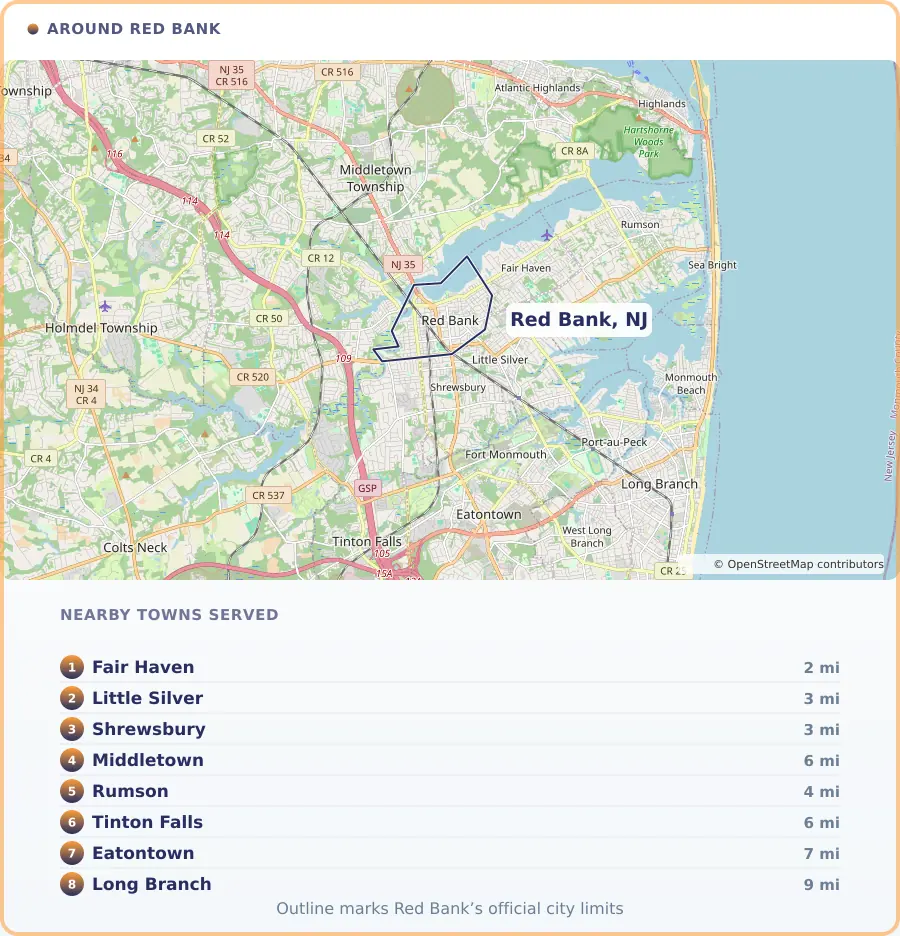
Coverage centres on Red Bank, NJ and reaches 8 surrounding communities. Response time is what matters most in the hours after a problem is found, so knowing the ground is part of the job.
Red Bank, NJ Information
Tucked along the Navesink River in Monmouth County, Red Bank, NJ packs a lot of personality into a small footprint. With roughly 12,248 residents, it carries itself like a much bigger town, thanks to a downtown built around Broad Street and Monmouth Street, where restaurants, boutiques, and live music spill out onto the sidewalks most evenings of the week.
The local economy leans on healthcare, arts, and steady professional services, with Riverview Medical Center and the Count Basie Center for the Arts serving as anchors that pull people in from across the region. Schools, real estate offices, and community institutions round things out, giving Red Bank the feel of a place that works hard and still knows how to enjoy a Friday night out.
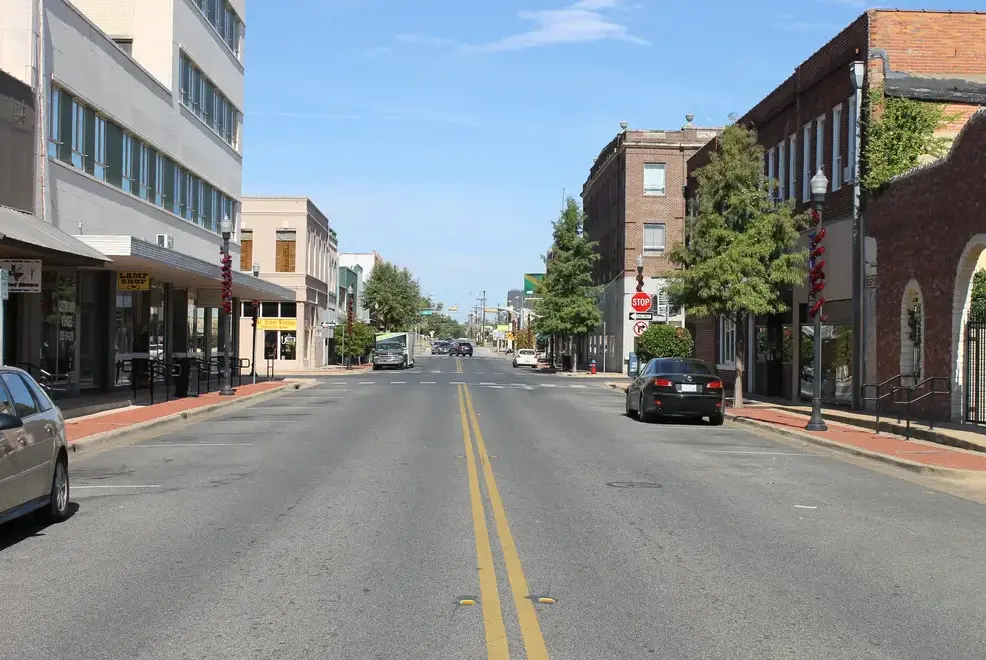
Photo: Billy Hathorn, CC BY-SA 3.0